
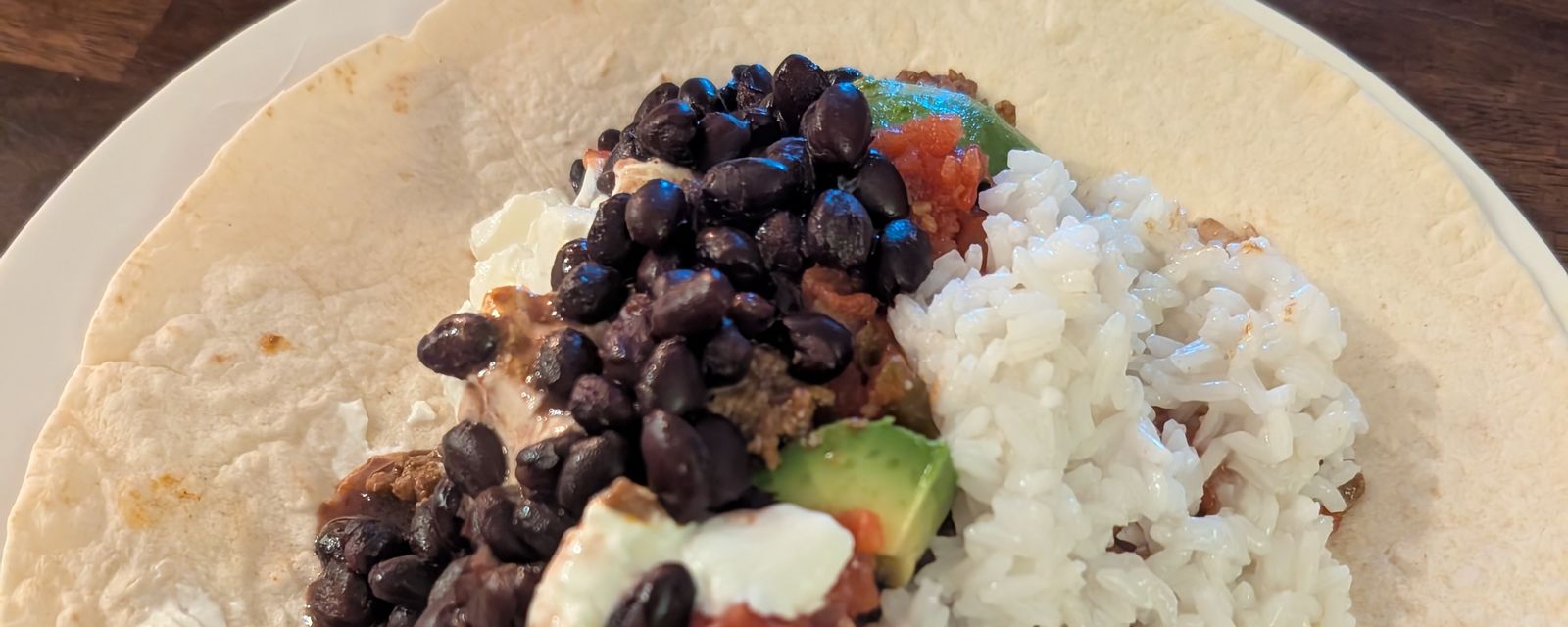
IIFYM stands for "if it fits your macros," and the idea behind it is simple enough to fit in a sentence: instead of following a list of allowed and forbidden foods, you set daily targets for protein, carbs, and fat, and any food that fits within those targets is fair game. It is usually called flexible dieting, and depending on who you ask it is either the most sensible approach to eating ever devised or an excuse to count Pop-Tarts as a food group. The truth, as usual, is more boring and more useful than either camp admits.
Where it came from
Flexible dieting grew out of bodybuilding and powerlifting forums as a reaction against rigid "clean eating" rules, the meal plans that dictated exactly six meals of chicken, rice, and broccoli and treated a slice of birthday cake as a moral failure. Lifters noticed that what seemed to drive their results was hitting their calorie and macro totals consistently, not the holiness of the individual foods. So they flipped the model: fix the totals, free the menu.
How it works in practice
The mechanics are short:
- Set your targets. Daily calories, then grams of protein, carbs, and fat, based on your size, activity, and goal. (Our free macro calculator walks through exactly this.)
- Track what you eat. Log your food so the day's totals are visible, by searching, scanning a barcode, or weighing ingredients while you cook.
- Fit foods to targets. Build days you enjoy that land near your numbers. If pizza fits your remaining macros on Friday, pizza fits. If it does not, it waits.
That is all it is. There are no forbidden foods, no detoxes, no rules about eating after 8 p.m. Just totals, and the freedom to reach them however suits your life.
What flexible dieting gets right
It removes the all-or-nothing trap. Rigid diets tend to fail in a specific way: one "bad" food breaks the rules, the day feels ruined, and the ruined day becomes a ruined week. Flexible dieting has no bad foods to break it. A cookie is 200 calories and some carbs and fat, accounted for and moved on from, not a moral event.
It fits real life. Birthdays, restaurants, travel, your kid's leftover chicken nuggets: all of it can be fit into targets, which means the diet survives contact with an actual calendar. The approach you can run during a normal, imperfect week is the one that works long term, and flexibility is a large part of why people stick with this one.
It teaches you what food is made of. After a few months of tracking, you know roughly what is in a bagel, a tablespoon of peanut butter, and a restaurant burrito. That practical literacy outlasts the diet itself and makes even untracked eating more informed.
Protein stops being an afterthought. Most people who start tracking discover they were eating far less protein than they assumed. Simply making the number visible fixes half of it.
What flexible dieting gets wrong, or at least doesn't solve
This is the part many IIFYM explainers skip, so let's not.
Macros are not micronutrients. A day of protein bars and gummy worms can hit the same macro totals as a day of salmon, lentils, and vegetables, but the two days are not equivalent. Fiber, vitamins, minerals, and simple satiety live mostly in whole foods. Most experienced flexible dieters converge on an informal guideline: build the large majority of your intake from minimally processed food, and let treats fill the remaining margin, because it keeps you full and keeps the diet livable.
Tracking is work, and it is not for everyone. Logging food takes daily attention. For most people that fades into quick habit, but if you have a history of disordered eating, that level of numeric focus on food can do more harm than good. If tracking makes your relationship with food worse instead of calmer, that is a real signal to step back and talk to a professional, not a discipline problem to push through.
The numbers are estimates, all the way down. Food labels are legally allowed to be off by meaningful margins, restaurant counts are approximations, and your calculated targets came from a population-average equation. Flexible dieting still works because the errors are roughly consistent and the trend is what matters, but chasing gram-perfect days is chasing precision the data never had. Close and consistent beats exact and occasional.
Freedom still requires judgment. "Any food can fit" is true and useful, but a diet built mostly around fitting treats tends to leave you hungry, since 400 calories of candy and 400 calories of chicken and potatoes do very different things to your appetite. The flexibility is a feature; using all of it every day usually is not.
Who it suits, and who it doesn't
Flexible dieting suits people who like clear feedback and dislike food rules: lifters with a target to hit, people who eat out often, anyone burned out on rigid plans, and anyone who wants results without giving up the foods they love. It suits a household, too, since your tacos and your partner's tacos can both fit different targets.
It is a poor fit if tracking feels oppressive, if numbers around food are a mental-health risk for you, or if you simply do not want the overhead, in which case a components-and-portions approach without logging gets you a good share of the benefit. There is no prize for tracking; it is a tool, not a virtue.
Getting started: a two-week on-ramp
If you want to try it, resist the urge to optimize everything on day one. A gentler ramp works better:
- Days 1 to 3: just log. Change nothing about how you eat; only write it down. This baseline is more educational than any article, and it tells you how far your current eating sits from any target.
- Days 4 to 7: hit protein and calories only. Two numbers, not four. Protein and total calories drive most of the outcome, and two targets are easy enough to hit that you build the habit instead of the overwhelm.
- Week 2: add carb and fat targets. Now aim for the full split, loosely. Within 5 to 10 grams of each target is a good day, not a failure to round up.
- Then decide. After two weeks you will know whether the tracking feels like a useful dashboard or a chore you resent. Both are legitimate answers, and knowing which one you are is worth the two weeks either way.
The bottom line
Flexible dieting is not magic. It is bookkeeping with the moralizing removed, and that turns out to matter: totals you can see, foods you actually like, and no all-or-nothing spiral waiting behind one cookie. Keep most of the menu whole foods, treat every number as the estimate it is, and let consistency do the work.
The one genuinely tedious part is the daily question of what to cook so the totals land where you want them. That planning layer is exactly what Prepwell does: it builds a week of meals portioned toward your targets, with the flexibility to swap what you don't like, and turns the whole thing into one grocery order.
Frequently asked questions
Is IIFYM good for beginners?
It works if you are willing to track for a few weeks to learn what portions look like. If tracking feels like too much, start with protein only: hit a protein target and eat mostly whole foods, then add carbs and fat later.
Does flexible dieting mean I can eat junk food?
Within your targets, technically yes. In practice a day heavy on low-fiber, low-protein foods leaves you hungry and short on protein, so most people who stick with it end up eating mostly whole foods with room for the things they enjoy.
Do I have to track forever?
No. Most people track closely for a few months, learn their portions, and then track loosely or only when something changes. The skill is the point, not the app.
Is IIFYM the same as counting calories?
Calories are one number; macros are three. Counting macros sets a floor on protein and on fat, which plain calorie counting does not.