
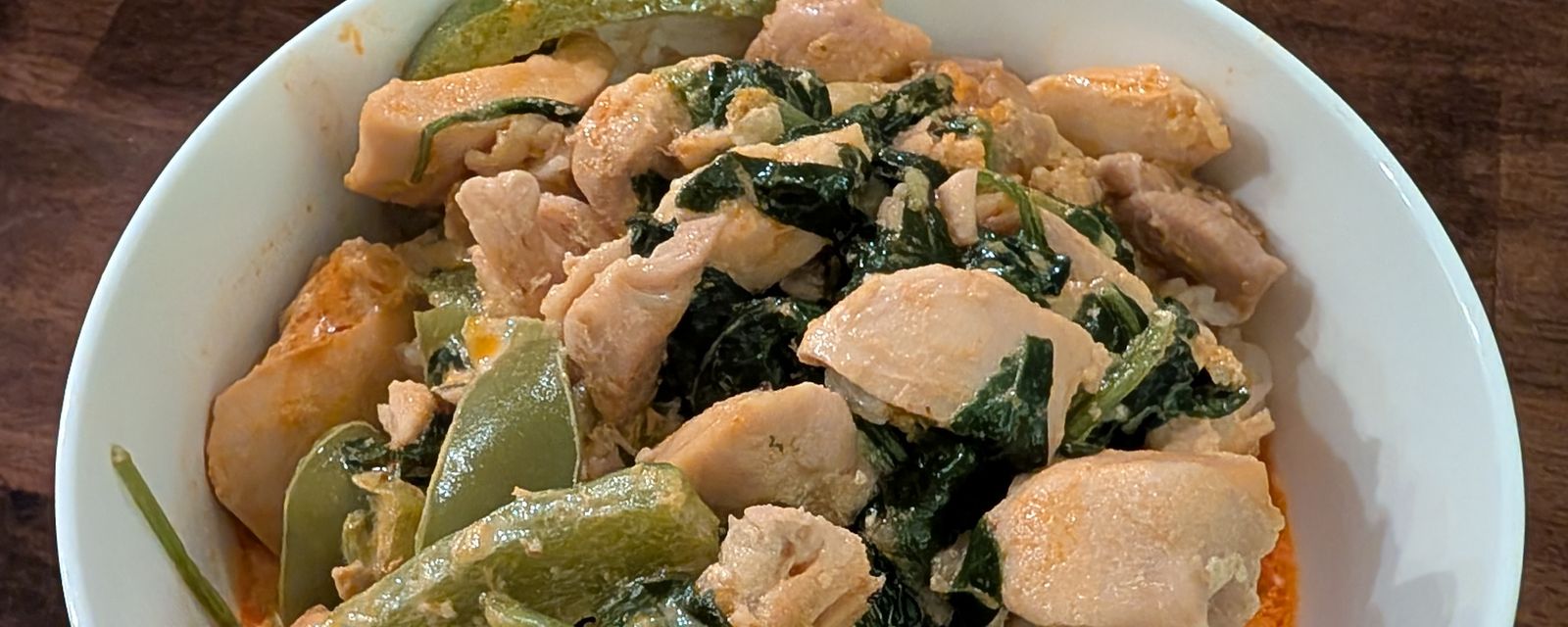
Going dairy-free is not hard because the food is hard. Most of the world's best dinners never had cheese in them. It is hard because dairy hides in places you would not think to look, because the swaps you try first are often the wrong ones, and because planning a week around one more constraint is one more thing on Sunday night. This is the practical version: where dairy actually hides, the swaps that work, a full week of dinners that are dairy-free by design rather than by subtraction, and what changes nutritionally when milk leaves the plate.
One line before anything else, and it is the most important one here: always read the label. A recipe can be dairy-free and a packaged ingredient in it can still contain milk, and cross-contact in a factory or a kitchen is always a possibility. No app, list, or blog post can see inside a package. If dairy is a medical allergy in your house rather than a preference, your allergist's guidance comes before anything on this page.
Where dairy hides
Milk, cheese, butter, yogurt, and cream are the obvious ones. These are the ones that catch people:
- Words on labels that mean milk: casein, caseinate, whey, lactose, lactalbumin, ghee, curds, and "milk solids." In the US, milk is one of the nine major allergens and must be declared, usually in a "Contains" line, so that line is your friend.
- Protein powder. Whey and casein are milk. Many "protein" products are dairy by definition. Pea, soy, egg-white, and rice proteins are the dairy-free options.
- Bread, crackers, and tortillas. Butter, milk powder, and whey turn up in a surprising share of them. Corn tortillas are almost always fine; flour tortillas often are not.
- Deli meat, sausage, and seasoned proteins. Lactose is a common filler and browning agent. Plain cuts are usually fine; anything "seasoned" or "marinated" needs the label.
- Seasoning blends and chips. Ranch, cheese, and "sour cream and onion" flavors are obvious; "natural flavors" in a savory seasoning sometimes are not.
- Nondairy creamer. Some contain sodium caseinate, which is milk protein. The word "nondairy" is a labeling term, not a promise.
- Dark chocolate. Often made on shared equipment with milk chocolate. A "may contain" line is voluntary in the US, so its absence is not an all-clear; if cross-contact matters in your house, ask the manufacturer.
The swaps that actually work
The mistake most people make in week one is to swap like for like and expect the dish to be the same. A better rule: swap the job the dairy was doing, not the ingredient.
The hardest swap for me was not an ingredient at all. It was a reflex. I grew up learning to cook with butter in every pan, and the first thing my hands wanted to do at the stove, every single time, was toss in a knob of butter to start. Unlearning that took longer than learning any substitute. The second hardest part was the checking: Caroline also avoids gluten, and I still double-check things like chicken stock, because a carton of stock is the last place you expect to find wheat, and it is in more of them than you would think.
| Dairy was doing | Use instead | Where it works |
|---|---|---|
| Fat for cooking (butter) | Olive oil, avocado oil, or a plant-based butter | Sauteing, roasting, pan sauces |
| Creaminess (cream, cream cheese) | Full-fat coconut milk or cashew cream | Curries, soups, pasta sauces |
| Liquid (milk in batters, oats, smoothies) | Oat milk or soy milk; almond if you want it lighter | Baking, oatmeal, smoothies, pancakes |
| Tang (yogurt, sour cream) | Coconut yogurt, or lime and a little salt | Tacos, bowls, sauces |
| Salty, savory finish (parmesan, feta) | Toasted nuts or seeds, nutritional yeast, a squeeze of lemon, flaky salt | Pasta, salads, roasted vegetables |
| Melt (cheese in quesadillas, pizza) | Skip it and lean on the filling, or a plant-based shred if you like them | Honestly, the hardest swap; the dishes below avoid it |
Notice the last row. Melted cheese is the one job dairy does that nothing replaces well, which is why the week below is built from dishes that never wanted cheese in the first place, rather than dishes with the cheese removed.
A dairy-free week of dinners, built that way on purpose
Every one of these is a recipe from the Prepwell library carrying its dairy-free tag, serves four, and takes 20 to 35 minutes. None is a compromise version of something else.
| Night | Dinner | Time | Why it works dairy-free |
|---|---|---|---|
| Monday | Coconut curry chicken with jasmine rice | 35 min | Coconut milk is the cream. Nothing is missing. |
| Tuesday | Lean beef tacos on corn tortillas | 25 min | Lime, cilantro, and onion do the finishing; corn tortillas are naturally dairy-free. |
| Wednesday | Sheet pan teriyaki salmon and broccoli | 25 min | Glaze is coconut aminos, honey, ginger, garlic. One pan. |
| Thursday | Turkey bolognese with whole wheat pasta | 35 min | A proper bolognese never needed cheese. Toasted pine nuts on top if you want the finish. |
| Friday | Thai basil chicken over jasmine rice | 20 min | Fish sauce, garlic, chili, basil. The fastest dinner of the week. |
Breakfasts and lunches follow the same idea. Overnight oats or a peanut butter banana smoothie made with oat milk. An egg white and vegetable wrap on a corn tortilla, or on a flour tortilla whose label you have read. A tuna and white bean salad with lemon and olive oil. A chicken and rice bowl with salsa and avocado instead of cheese. Snacks: edamame, an apple with almond butter, hummus with vegetables, and a protein shake made with a pea or egg-white powder.
Label checks for this specific week: the pasta (some fresh pastas contain egg and milk; dry whole wheat pasta is usually just wheat), the curry paste and coconut aminos (usually fine, read them anyway), the teriyaki if you buy a bottle instead of making the glaze, and any tortilla that is not plain corn.
What changes on the plate, and what does not
Protein barely changes. Chicken, beef, fish, eggs, beans, and tofu carry the week, exactly as they would with dairy. The one place people lose protein is snacks and breakfast, where yogurt, cottage cheese, and whey used to live. Plan a replacement on purpose: eggs, edamame, a pea or egg-white protein, tofu, or simply a larger portion of the dinner protein at lunch.
Calcium needs a plan. Dairy is the main calcium source in the typical American diet, and it does not replace itself. The reliable dairy-free sources are fortified plant milks (check that the carton says fortified; not all are), tofu set with calcium sulfate, canned salmon and sardines with the bones, and greens like kale and bok choy. If dairy-free is long term for you or for a child, that is worth a conversation with a doctor or dietitian about calcium and vitamin D. We plan food; we do not give medical advice.
Cost is about even. Coconut milk, oat milk, and plant-based butters cost more than their dairy equivalents; cheese and yogurt leaving the cart costs less. In our own weeks it roughly washes out.
Cooking gets slightly easier. This surprises people. Fewer sauces that break, fewer things that need to melt at exactly the right moment, and a lot more olive oil, acid, and herbs doing the finishing. Most of the world cooks this way.
Doing it for one person at a table of four
We learned this the hard way. Early on, Caroline and I ran what were basically two separate kitchens: two shopping runs, a fridge packed with duplicates, the two of us stepping around each other at the stove, and some nights eating separately because the meals did not line up. Her allergies, my targets, both of our preferences, and no shared plan underneath any of it. What changed was not that the constraints went away. It was that we stopped planning around them in our heads and started cooking one dinner that already fit her, then eating it together. The relief of that is hard to overstate.
The common case is not a dairy-free household. It is one person who cannot have it and three who can. The rule that saves you is the same one that saves every mixed table: cook one dinner that is dairy-free by design, and let the people who want cheese add it at the table. Tacos, bowls, pasta, and curries all take a bowl of shredded cheese on the side without anyone cooking twice. The dinner fits the one and is normal for the three.
How Prepwell handles it
Set the dairy-free plan style, or set Milk as an allergen in your profile, and the planner only draws from recipes that fit. Where dairy is a garnish rather than the dish, a parmesan finish on a pasta, for example, Prepwell can swap it and update the estimated macros and the shopping list to match, if you turn that on; where dairy is the dish itself, the recipe stays out. Household portions mean the dairy-free plan is scaled for everyone at the table, so the one-dinner rule above happens automatically. And the read-the-label line applies in the app exactly as it does here: the filter works on ingredients, and it cannot see inside a package.
Frequently asked questions
What foods have hidden dairy?
Protein powders made with whey or casein, many breads and flour tortillas, seasoned or marinated meats, deli meat, ranch and cheese seasonings on snacks, some nondairy creamers (sodium caseinate is milk protein), and dark chocolate made on shared lines. In the US, milk must be declared on packaged food, so the "Contains" line is the fastest check.
What is the best substitute for milk in cooking?
It depends on the job. Oat milk or soy milk for batters, oatmeal, and smoothies. Full-fat coconut milk or cashew cream where you need real creaminess in a sauce or curry. Olive oil or a plant-based butter where butter was the cooking fat.
Can you get enough protein on a dairy-free diet?
Yes. Meat, fish, eggs, beans, tofu, and edamame carry it easily. The place to watch is breakfast and snacks, where yogurt, cottage cheese, and whey used to do the work; plan a replacement such as eggs, edamame, or a pea or egg-white protein powder.
How do I get calcium without dairy?
Fortified plant milks (check the label for fortification), calcium-set tofu, canned salmon or sardines with bones, and greens such as kale and bok choy. If dairy-free is long term, especially for a child, talk to a doctor or dietitian about calcium and vitamin D.
Is dairy-free the same as lactose-free?
No. Lactose-free products remove the sugar in milk but still contain milk protein, so they are still dairy. Lactose-free is not the same as milk-free, and dairy-free means no milk in any form.